
Malware Removal Services in Dubai, UAE
Get a clear assessment and recovery path when a website or server may be compromised. Quest Middle East provides malware removal services in Dubai and across the UAE, with scoped investigation, cleanup and server hardening to address the weaknesses behind the incident.
- Built in Dubai for the world
- Defined cleanup scope
- Practical server hardening

Restore Confidence in the System, Not Only the Homepage
A visible warning, redirect or unfamiliar file may be one sign of a wider problem. Removing that symptom without checking access, persistence and the affected environment can leave the same route open. A useful response starts with understanding the scope and preserving the information needed to investigate.
Our malware removal services are assessed around the systems affected, available access, backups and business impact. We explain the proposed work, dependencies and validation before promising a turnaround. Cleanup and recovery decisions should remain coordinated with the people responsible for the application and infrastructure.
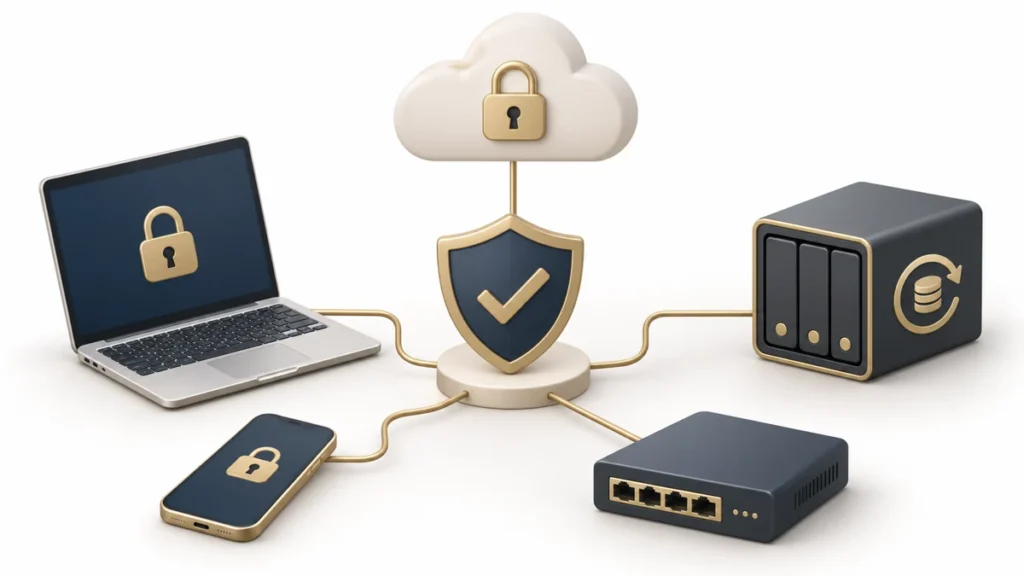
Emergency Malware Removal for Websites and Servers
When an incident is active, contact the responsible IT or security team through your established escalation route. For a new Quest engagement, we first confirm availability, the affected services and the scope we can support. A website enquiry does not itself create a response-time commitment.
The assessment may examine suspicious files, unauthorised changes, service behaviour, accounts, scheduled activity and relevant logs within the agreed environment. We identify the actions needed to contain the concern, preserve useful evidence and plan cleanup or rebuilding with the system owner.
Assess the Extent
Record the symptoms, affected services, known timing and available evidence. Identify hosting, application and supplier dependencies that may need to join the response.
Choose the Recovery Approach
A clean rebuild, validated restore or targeted cleanup may be appropriate depending on the compromise. The choice should reflect the confidence available in the system and its recovery sources.
Blacklist and Google Warning Review
A compromised website may be flagged by browsers, search services or other reputation systems. Cleaning the site and requesting a review are separate steps. The relevant provider decides whether and when a warning is removed.
Where included, we help document remediation and coordinate the appropriate review request with the verified site owner. The underlying issues need attention first, including unwanted content, vulnerable components and access that allowed changes. Search ranking or warning removal is not an outcome we can guarantee.
Ransomware and Server Compromise Cleanup
A ransomware or server compromise can involve more than encrypted files. Accounts, remote access, persistence and other systems may be affected. Investigation and recovery should consider those dependencies before reconnecting a repaired or restored service.
We assess the agreed systems and available evidence, coordinate with the incident owner and identify a practical recovery route. Decryption, complete data recovery or identification of every attacker action cannot be assumed. If specialist forensic, legal or insurance response is required, that need should be identified separately.
Coordinate Containment
Agree which systems or accounts need restricted access and who can approve the action. Preserve relevant information before unplanned changes remove context.
Validate Before Reconnection
Review the proposed recovery point or rebuild, required updates and access changes. The application and business owner should validate important functions before normal use resumes.
Server Hardening for Linux and Windows
Hardening reduces unnecessary exposure and strengthens the way a server is administered. The scope can include supported versions, updates, exposed services, administrative access, permissions, logging and the configuration needed by the workload.
Linux and Windows environments have different dependencies. We review the server role and application requirements before applying a baseline. CIS Benchmarks can inform a scoped review where appropriate, but a checklist is not applied blindly and no CIS certification is implied. Changes need validation and a documented exception process.
Access and Privileges
Review administrative accounts, authentication and remote access. Give service accounts and suppliers the permissions needed for their role and record ownership.
Services and Exposure
Identify unnecessary listeners, components and inbound access. Coordinate changes with application owners so legitimate traffic and management remain possible.
Updates and Configuration
Address supported versions and agreed maintenance. Review settings against the workload and record compatibility constraints or exceptions.
Logging and Monitoring
Keep the information needed to notice and investigate future concerns. Connect alerts with an operating response owner rather than assuming logging alone provides protection.
Reduce the Chance of Reinfection
The follow-up work depends on how the system was compromised. It may include removing unauthorised access, updating vulnerable components, reviewing credentials and secrets, fixing application issues or changing exposure. These tasks can cross hosting, development and security responsibilities.
Agree owners for the root causes and a period of validation appropriate to the engagement. Ongoing protection may involve managed endpoint or SOC coverage, and web-facing services may benefit from separately scoped application protection. No cleanup can guarantee that a system will never be compromised again.
Pricing, Turnaround and What We Need to Assess
Price and timing depend on the systems affected, the available evidence and access, the recovery approach, application dependencies and the work needed to address the underlying exposure. A small website cleanup and a compromised business server require different scopes.
For an initial discussion, share the type of system, the symptoms, approximate time noticed and whether backups exist. Do not send passwords, private keys or sensitive incident evidence through the public form. Once an engagement is agreed, the appropriate access and evidence-handling process can be established.
Confirm the Deliverables
The proposal identifies systems, assessment and cleanup activities, validation, exclusions and responsibilities. Warning-review work and ongoing protection are named explicitly if included.
Set a Realistic Timeline
Turnaround is confirmed after the initial assessment and may depend on suppliers, restore sources or application changes. Any response commitment belongs in the selected service agreement.
Recovery and Ongoing Operations
Cleanup should end with a usable handover: what was found within scope, what changed, what was validated and which actions remain. Your team needs to understand the remaining dependencies and the operating routine after the incident.
Connect the recovered environment with suitable server administration and backup arrangements. A maintained server, protected recovery copies and a practised incident route help avoid relying on a one-time fix when the next problem occurs.
Work With a Team That Understands the Whole Environment
Start With the Business Need
We confirm the systems involved, the concern you want to address and the business processes that depend on them. Recommendations should be understandable to the people who approve the work.
Define Responsibilities
The proposal names covered activities, access, operating hours, escalation and exclusions. Your IT team, application developers and other suppliers can retain clear responsibilities.
Plan Changes and Validation
Agree the implementation, approvals and acceptance checks. Changes to important services need consideration of dependencies, timing and recovery options.
Keep the Service Current
Review outstanding actions and changes in your environment. The right operating routine develops as users, applications and risks change.
Malware Removal Services: Your Questions Answered
What do malware removal services include?
The scope can include assessment of affected websites or servers, investigation of suspicious changes, cleanup or recovery, validation and hardening. Systems, access, deliverables and exclusions are agreed after initial review.
Can you remove a Google or browser warning?
We can scope remediation and assistance with the relevant review request. The provider controls warning decisions and timing, so removal and restored rankings cannot be guaranteed.
Can you decrypt ransomware-encrypted files?
Decryption is not always possible. Assessment should establish available recovery copies and other options, together with the systems and accounts affected. No decryption or complete data recovery is promised in advance.
Is a clean backup enough to recover?
A recovery copy is valuable, but its suitability, application dependencies, access and the original compromise need review. Reconnecting a restored system without addressing the route of compromise may recreate the problem.
Do you harden Linux and Windows servers?
Supported Linux and Windows environments can be assessed for a scoped hardening engagement. The baseline and changes depend on the server role, applications, supported versions and available access.
How quickly can you start or finish?
Availability, response commitments and turnaround are confirmed for the engagement. They depend on scope, access, evidence, suppliers and the recovery approach; the website form is not an emergency response channel.
Do you guarantee no reinfection?
No service can guarantee that a system will never be compromised again. Cleanup, root-cause work, hardening and ongoing monitoring help reduce risk, with remaining responsibilities documented at handover.
What should I send in an initial enquiry?
Describe the system, symptoms, when the issue was noticed and whether backups are available. Do not include credentials, private keys or sensitive evidence in the public form.
Get in touch
Tell us about your environment, the concern you want to address and the support you need. Please do not send passwords, private keys or sensitive incident evidence.