
Endpoint Security Services in Dubai, UAE
Protect the devices your people use without making everyday work harder than it needs to be. Quest Middle East provides endpoint security services in Dubai and across the UAE, covering protection, detection, patching, mobile management and data loss prevention.
- Built in Dubai for the world
- Managed device protection
- Clear security policies

Keep Devices Protected as People and Work Change
A laptop used at home, a shared workstation and a server running a business application have different needs. Applying the same rule to every device can leave gaps or interrupt work. The starting point is knowing which devices exist, who owns them and how they access business information.
Our endpoint security services build a practical management routine around that inventory. We help define coverage, policy ownership, update processes and the response when a device becomes a concern. Existing tools and licences are reviewed before changes are proposed.
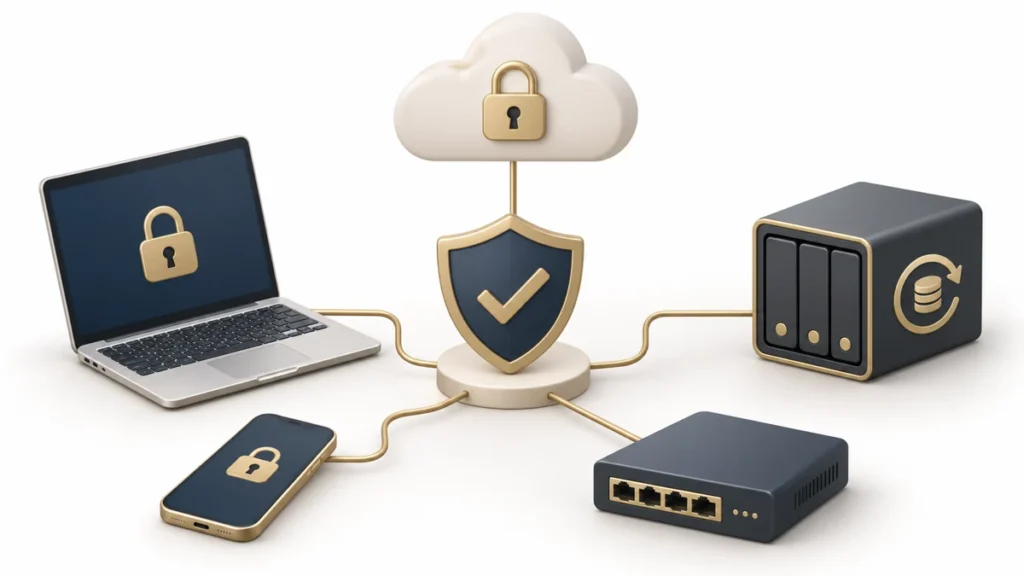
Endpoint Protection & EDR
Endpoint protection helps prevent known and suspicious activity on covered devices. Endpoint Detection and Response adds visibility and investigation capabilities when something requires attention. The available controls depend on the product, operating system and installed agent.
We review the device estate and existing security software, agree an appropriate policy and plan the rollout. Detection settings, exclusions and response actions need context: a legitimate application should not be blocked simply because nobody recorded why it is used.
Roll Out With Validation
Pilot the agreed configuration on representative devices. Check important applications, agent health and alert delivery before extending deployment.
Handle Alerts With an Owner
Define who investigates a suspicious device and who can approve containment. Connect endpoint findings with the wider incident process where managed SOC coverage is included.
Patch Management for Operating Systems and Applications
An update process needs an inventory, priorities and a way to confirm that work has completed. Patch management can cover supported operating systems and selected third-party applications, with the actual coverage agreed against the tools and versions in use.
We review update status, prioritise the agreed exposure and schedule deployment around operational constraints. Important applications are considered during testing, and exceptions have an owner and a review date. A machine that misses a patch cycle should remain visible rather than quietly dropping out of the report.
Plan Maintenance
Agree deployment groups, restart expectations and maintenance windows. Identify devices that need special handling because of business-critical applications or limited connectivity.
Verify and Follow Up
Review deployment results, failed installations and unsupported software. Record remediation or upgrade actions instead of treating a sent update as a completed update.
Mobile Device Management (MDM / UEM)
Business information often travels on phones and tablets as well as computers. Mobile Device Management or Unified Endpoint Management can help apply policies, distribute approved applications and manage access on supported devices. The right design depends on ownership and working practices.
We distinguish company-owned devices from bring-your-own-device arrangements. Enrollment, passcodes, encryption, app policies and lost-device actions need a clear scope. Staff should understand what the organisation manages and which actions may affect a device or its business data.
Company-Owned Devices
Define provisioning, configuration and the process for joining, changing role or leaving the organisation. Keep device ownership and recovery arrangements documented.
BYOD and Remote Work
Choose controls appropriate to business access on personal devices. Separate business management from personal use where the platform supports it and agree the privacy and support boundaries.
Data Loss Prevention (DLP)
Data loss prevention starts with identifying the information that matters and how staff legitimately use it. Policies may address removable media, uploads, email, cloud sharing or printing, depending on the platform. Broad restrictions introduced without a workflow review can create unnecessary exceptions.
We help define the information categories, channels and users in scope, then test policies before moving from observation to enforcement. Alerts should lead to a proportionate review, with clear handling for legitimate business activity and policy exceptions.
Choose Meaningful Policies
Begin with specific risks, such as sensitive documents copied to removable storage or shared outside approved locations. Match the rule to the platform’s actual detection capability.
Review Before Enforcing
Use pilot groups and monitoring where appropriate to understand impact. Define who reviews incidents, approves exceptions and updates policy as work changes.
Supported Endpoint Platforms and Vendors
Microsoft Defender for Endpoint and Intune, CrowdStrike, SentinelOne and other products may be considered according to your requirements. These are examples of platforms to assess, not a statement of partner status or a guarantee that every feature is available in every licence.
Compatibility is checked against operating systems, product versions, licences, existing agents and management ownership. We also review tenant access, data retention, agent maintenance and the handover of records so the service remains manageable throughout its life.
A Device Lifecycle With Fewer Loose Ends
Join
Enroll the device, assign ownership and apply the agreed baseline. Confirm that required applications, management and security checks work before handover.
Use
Review device health, updates, policy exceptions and security events. Keep remote and intermittently connected devices in view.
Change
Update access and device policy when a person changes role, location or working arrangement. Remove permissions and tools that are no longer needed.
Leave
Follow the agreed return, retirement or business-data removal process. Confirm who approves the action and what records need to be retained.
Reporting That Helps You Close Gaps
Useful reporting identifies covered devices, agent health, overdue updates, policy exceptions and actions still awaiting an owner. The objective is to help your team close gaps, rather than simply present a percentage without explaining what it includes.
For UAE organisations, agree the relevant access, privacy and evidence requirements with your responsible team. Service reviews can record technical actions and exceptions against those requirements, while legal interpretation and certification remain separate activities.
Work With a Team That Understands the Whole Environment
Start With the Business Need
We confirm the systems involved, the concern you want to address and the business processes that depend on them. Recommendations should be understandable to the people who approve the work.
Define Responsibilities
The proposal names covered activities, access, operating hours, escalation and exclusions. Your IT team, application developers and other suppliers can retain clear responsibilities.
Plan Changes and Validation
Agree the implementation, approvals and acceptance checks. Changes to important services need consideration of dependencies, timing and recovery options.
Keep the Service Current
Review outstanding actions and changes in your environment. The right operating routine develops as users, applications and risks change.
Related Security Services
Endpoint Security Services: Your Questions Answered
What do endpoint security services cover?
The scope can include endpoint protection and EDR, patch management, mobile device management and data loss prevention. Covered devices, operating systems, applications and response responsibilities are confirmed in the proposal.
Is EDR the same as antivirus?
They overlap but serve different purposes. Protection controls aim to prevent harmful activity; EDR provides telemetry, investigation and response capabilities. Product capabilities vary, and the operational process matters alongside the software.
Can you manage Windows, macOS and mobile devices?
We review your device mix and selected platforms before confirming support. The operating-system version, management product and licence affect which controls and actions are available.
Do you patch third-party applications?
Selected applications can be included where supported by the agreed tooling. We document the application coverage, deployment process, exceptions and responsibilities rather than assuming every installed program can be patched automatically.
Can personal devices be included?
BYOD arrangements can be assessed with suitable management and access policies. The scope needs to explain what business data is managed, how personal use is treated and which actions require user or business approval.
Will DLP block normal work?
Poorly scoped rules can. A phased design uses representative workflows, pilot groups and exception handling before enforcement. The purpose is to reduce defined risks while preserving legitimate business use.
Who responds to an endpoint alert?
The proposal assigns investigation and response ownership. Endpoint tooling can be connected with managed SOC workflows where included, with clear authority for actions such as device isolation.
How is pricing calculated?
Device and user counts, platform licences, patch coverage, DLP policies, onboarding and operating coverage influence cost. An approximate device inventory is a useful starting point.
Get in touch
Tell us about your environment, the concern you want to address and the support you need. Please do not send passwords, private keys or sensitive incident evidence.